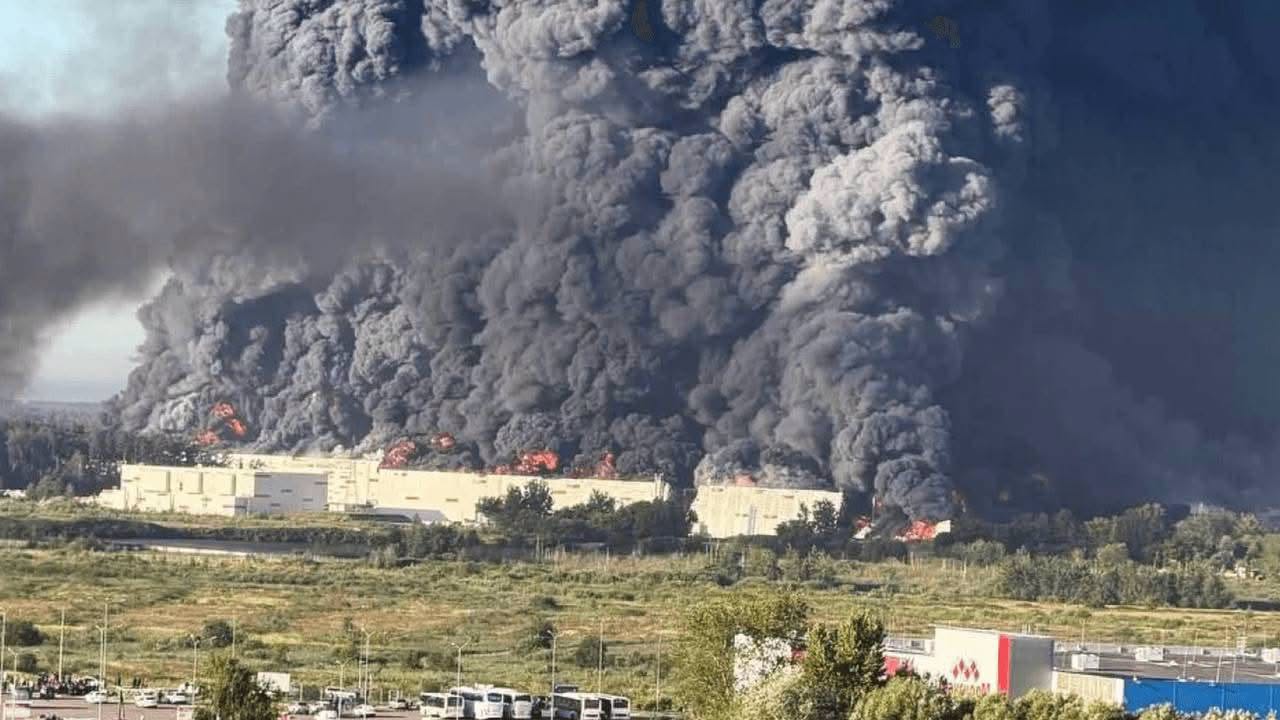
According to Kommersant, one of Russia’s largest business newspapers, Wildberries—Russia’s biggest online marketplace—is now searching for warehouse space in Kazakhstan after repeated Ukrainian drone attacks damaged its logistics network.
The company is reportedly seeking to lease nearly 100,000 square meters of warehouse space and is prepared to rent virtually every large facility it can find. At the same time, Wildberries is redistributing inventory across its remaining network while accelerating construction of new logistics hubs in Almaty and Astana.
The reason is simple.
According to Reuters, at least seven Wildberries warehouses were damaged during July, reducing the company’s storage capacity by approximately 10%. The disruption has become so significant that the Russian government is reportedly considering financial assistance, including state-backed loans, subsidies, and tax breaks to help the company recover.
The problem extends beyond Wildberries itself.
The platform supports tens of thousands of small businesses across Russia. Every warehouse that is taken offline delays deliveries, disrupts supply chains, destroys inventory, and increases costs for merchants who depend on the company’s logistics network. As operations become more difficult, the effects ripple throughout Russia’s broader economy.
Perhaps the most telling detail is this:
According to Kommersant, owners of logistics complexes inside Russia are increasingly reluctant to lease warehouse space to Wildberries because they fear the facilities could become targets of future Ukrainian drone strikes.
That represents a remarkable shift.
Ukraine is no longer just damaging individual warehouses—it is influencing business decisions across Russia. Companies are now weighing the economic risks of hosting one of the country’s largest retailers, while Wildberries is looking beyond Russia’s borders to keep its logistics network functioning.
Ukraine has previously argued that the strikes are aimed not only at disrupting logistics that can indirectly support Russia’s war effort, but also because of Wildberries’ financial ties to Russian state banks, which play a role in financing the Russian economy.
This is what strategic pressure looks like. Ukraine isn’t simply destroying warehouses—it is forcing one of Russia’s largest companies to rethink where it stores its goods, where it invests, and even which country it may need to rely on to keep operating. When businesses begin moving infrastructure abroad because they no longer consider it safe at home, the effects of the war have reached far beyond the front line.