In an attempt to prevent the latter from drifting too far into China’s orbit, Vietnam has made overtures to Laos in the form of functional cooperation.
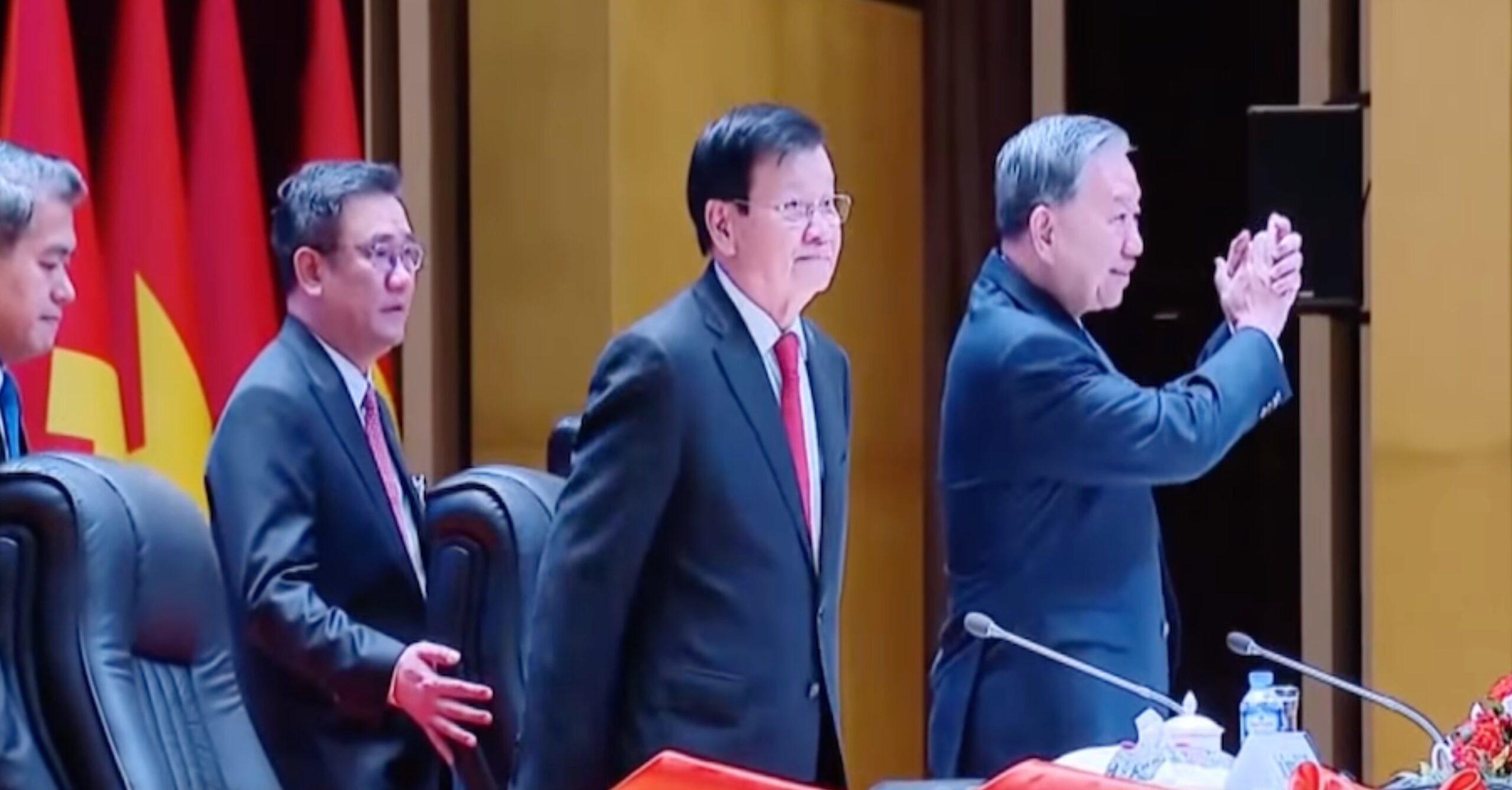
On 5 February, To Lam, the freshly re-elected General Secretary of the Communist Party of Vietnam (CPV), touched down in Vientiane. This marked his third visit to Laos in just 18 months. Such a frequency might raise eyebrows elsewhere, but not when it comes to Vietnam’s ties with its landlocked western neighbour. Laos was To Lam’s first foreign destination when he became president in 2024, and again his first stop after the 14th Party Congress in January. No Vietnamese leader in recent memory has lavished such attention on Vientiane. The pattern is deliberate, and it reveals how the new Vietnamese leadership is recalibrating its foreign policy in a rapidly shifting region which has become increasingly tilted towards China.
The headline from the latest visit was a new addition to the boilerplate language that defines the bilateral relationship. Alongside the usual litany of “great friendship, special solidarity and comprehensive cooperation”, both sides now speak of “strategic cohesion” (gắn kết chiến lược). Though seemingly innocuous, the term signals a rethinking of ties: one that goes beyond revolutionary nostalgia towards a functional, forward-looking alignment. At its core, “strategic cohesion” gestures toward synchronising not just foreign policy postures but development strategies, infrastructure planning and governance models.
The substance behind the slogan is already taking shape. Vietnam and Laos signed a memorandum to establish the first Vietnamese university in Laos. This is a project that moved from idea to ink in just two months. Construction on a long-delayed railway from Vientiane to Vietnam’s Vung Ang Port is expected to begin on the Lao side later this year. This is part of a USD6.6 billion project to connect Laos to the sea. In an unusual move, Hanoi has granted Laos a 60 per cent stake in the port. In December 2025, Laos rolled out a national digital citizen identification system built with Vietnamese technical assistance, modelled on VNeID, Hanoi’s ambitious government super-app. The “cohesion” is not just about physical connectivity; Vietnam wants to take Laos by the arm in the virtual space, too.
Why the urgency? The answer lies in a phrase that has become the leitmotif of To Lam’s leadership: strategic autonomy (tự chủ chiến lược) is shorthand for fostering Vietnam’s independence and resilience amid a fluid geopolitical environment. Since taking the party’s helm, he has elevated this concept from a diplomatic nicety into a governing philosophy, embedding it in the 14th Congress’s documents as a core orientation. But autonomy needs insulation – and here, Vietnam sees trouble.
For decades, Vietnam relied on shared revolutionary sacrifice to keep Laos close. But sentiment alone is a depreciating asset in a world where China writes the bigger cheques.
Vietnam’s overtures to Laos are not merely altruistic. China’s footprint in Laos has grown enormous over the past decade. Beijing has become Laos’s largest trading partner and biggest source of foreign investment, with a cumulative total of around USD18 billion. The China-Laos railway, completed in 2021, has physically reoriented Laos’s trade routes northward. With Laos struggling under the weight of debt-fuelled infrastructure spending — much of it bankrolled by Beijing — Hanoi fears that economic dependence will translate into strategic drift towards China, which has a longstanding dispute with Hanoi in the South China Sea.
Vietnam is also seeking to build some functional cooperation with Laos for strategic gain. For decades, Vietnam relied on shared revolutionary sacrifice to keep Laos close. But sentiment alone is a depreciating asset in a world where China writes the bigger cheques. The new framework, then, is an admission that fraternity is no longer enough.
“Strategic cohesion”, thus, is Hanoi’s answer to China’s Belt and Road Initiative — not in terms of scale, but in kind. Where Beijing offers roads and loans, Vietnam counters with shared bureaucratic systems, education pipelines and governance templates. The rail and road connections to Vietnamese central seaports would offer Laos its only trade corridor to the sea. The Vietnam University in Laos would cultivate a new generation of Lao professionals educated in Vietnamese systems, much as the revolutionary generations before them built personal ties that have long anchored the relationship. Lao leader Thongloun Sisoulith, for example, speaks perfect Vietnamese. The transfer of digital governance technology also creates institutional interoperability that loans and concrete cannot easily replicate.
Hanoi’s strategy also has a trilateral dimension. Immediately after leaving Vientiane, To Lam and Thongloun Sisoulith flew to Phnom Penh together to meet Cambodian strongman Hun Sen. Following last year’s unprecedented summit in Ho Chi Minh City, this shows Vietnam’s effort to institutionalise a tighter Indochina framework after the sudden dissolution of the Cambodia-Laos-Vietnam Development Triangle Area in 2024. The aim is to keep the Indochinese neighbourhood aligned – and to prevent either Vientiane or Phnom Penh from drifting too far into Beijing’s embrace.
None of this is without risk. The Vietnamese economy, for all its impressive eight per cent growth in 2025, is still a fraction of China’s and thus cannot outspend Beijing in Laos. The Vientiane-Vung Ang railway carries some symbolism but it faces daunting engineering and funding challenges. Laos, for its part, may still hedge, playing one suitor off against the other. This is a skill that Cambodia has long mastered.
But To Lam appears to have calculated that the cost of inaction is higher than the cost of engagement. A Laos that is wired into Vietnamese-built infrastructure, trained in Vietnamese systems and tied into Vietnamese digital platforms is less likely to stray. It may not be a satellite, but it will be anchored, perhaps even cohesive.
For outsiders, “strategic cohesion” may sound like just another piece of communist jargon. In practice, it marks a practical shift in Vietnam’s foreign policy: the era of sitting back and adapting to circumstances is over. The time for Vietnam to actively shape its regional environment has begun.
Nguyen Khac Giang is Visiting Fellow at the Vietnam Studies Programme of ISEAS – Yusof Ishak Institute. He was previously Research Fellow at the Vietnam Center for Economic and Strategic Studies.
Google Translate in Thai Language:
นอกเหนือจากความเป็นพี่น้อง: แผนการใหม่ของเวียดนามสำหรับลาว
เพื่อป้องกันไม่ให้ลาวหันไปพึ่งพาจีนมากเกินไป เวียดนามจึงได้ริเริ่มความสัมพันธ์กับลาวในรูปแบบของความร่วมมือเชิงปฏิบัติ
เมื่อวันที่ 5 กุมภาพันธ์ นายโต ลัม เลขาธิการพรรคคอมมิวนิสต์เวียดนาม (CPV) ที่เพิ่งได้รับเลือกตั้งใหม่ ได้เดินทางถึงเวียงจันทน์ นี่เป็นการเยือนลาวครั้งที่สามของเขาในเวลาเพียง 18 เดือน ความถี่เช่นนี้อาจทำให้หลายคนประหลาดใจในที่อื่นๆ แต่ไม่ใช่เมื่อพูดถึงความสัมพันธ์ของเวียดนามกับประเทศเพื่อนบ้านทางตะวันตกที่ไม่มีทางออกสู่ทะเล ลาวเป็นจุดหมายปลายทางต่างประเทศแห่งแรกของโต ลัม เมื่อเขาขึ้นดำรงตำแหน่งประธานาธิบดีในปี 2024 และเป็นจุดหมายแรกของเขาอีกครั้งหลังจากการประชุมใหญ่พรรคครั้งที่ 14 ในเดือนมกราคม ไม่มีผู้นำเวียดนามคนใดในความทรงจำล่าสุดที่ให้ความสนใจเวียงจันทน์มากเท่านี้ รูปแบบนี้เป็นไปโดยเจตนา และแสดงให้เห็นว่าผู้นำเวียดนามชุดใหม่กำลังปรับเปลี่ยนนโยบายต่างประเทศในภูมิภาคที่เปลี่ยนแปลงอย่างรวดเร็วซึ่งเอนเอียงไปทางจีนมากขึ้นเรื่อยๆ
หัวข้อข่าวจากการเยือนครั้งล่าสุดเป็นการเพิ่มเติมใหม่ลงในถ้อยคำมาตรฐานที่ใช้กำหนดความสัมพันธ์ทวิภาคี นอกเหนือจากคำกล่าวที่ว่า “มิตรภาพอันยิ่งใหญ่ ความสามัคคีพิเศษ และความร่วมมือที่ครอบคลุม” แล้ว ทั้งสองฝ่ายยังพูดถึง “ความสอดคล้องเชิงยุทธศาสตร์” (gắn kết chiến lược) แม้ดูเหมือนไม่มีอะไร แต่คำนี้บ่งบอกถึงการทบทวนความสัมพันธ์ใหม่: ซึ่งก้าวข้ามความโหยหาอดีตแบบปฏิวัติไปสู่การประสานงานที่ใช้งานได้จริงและมองไปข้างหน้า โดยแก่นแท้แล้ว “ความสอดคล้องเชิงยุทธศาสตร์” หมายถึงการประสานงานไม่เพียงแต่ท่าทีด้านนโยบายต่างประเทศเท่านั้น แต่ยังรวมถึงยุทธศาสตร์การพัฒนา การวางแผนโครงสร้างพื้นฐาน และรูปแบบการปกครองด้วย
สาระสำคัญเบื้องหลังสโลแกนนี้เริ่มเป็นรูปเป็นร่างแล้ว เวียดนามและลาวได้ลงนามในบันทึกความเข้าใจเพื่อจัดตั้งมหาวิทยาลัยแห่งแรกของเวียดนามในลาว โครงการนี้เปลี่ยนจากแนวคิดไปสู่การลงนามในเวลาเพียงสองเดือน การก่อสร้างทางรถไฟที่ล่าช้ามานานจากเวียงจันทน์ไปยังท่าเรือหวุงอังของเวียดนามคาดว่าจะเริ่มขึ้นในฝั่งลาวภายในปีนี้ นี่เป็นส่วนหนึ่งของโครงการมูลค่า 6.6 พันล้านดอลลาร์สหรัฐฯ เพื่อเชื่อมต่อลาวกับทะเล ในการดำเนินการที่ไม่ธรรมดา ฮานอยได้มอบหุ้น 60 เปอร์เซ็นต์ในท่าเรือให้กับลาว ในเดือนธันวาคม 2025 ลาวได้เปิดตัวระบบบัตรประจำตัวประชาชนดิจิทัลแห่งชาติที่สร้างขึ้นด้วยความช่วยเหลือทางเทคนิคจากเวียดนาม โดยมีต้นแบบมาจาก VNeID ซึ่งเป็นแอปพลิเคชันขั้นสูงของรัฐบาลฮานอยที่ทะเยอทะยาน “ความเชื่อมโยง” ไม่ได้หมายถึงเพียงแค่การเชื่อมต่อทางกายภาพเท่านั้น เวียดนามต้องการควบคุมลาวในพื้นที่เสมือนจริงด้วยเช่นกัน
ทำไมจึงเร่งด่วน? คำตอบอยู่ที่วลีที่กลายเป็นแก่นหลักของการนำของโต ลัม: เอกราชเชิงยุทธศาสตร์ (tự chủ chiến lược) เป็นคำย่อสำหรับการส่งเสริมความเป็นอิสระและความยืดหยุ่นของเวียดนามท่ามกลางสภาพแวดล้อมทางภูมิรัฐศาสตร์ที่ผันผวน นับตั้งแต่เข้ารับตำแหน่งผู้นำพรรค เขาได้ยกระดับแนวคิดนี้จากมารยาททางการทูตไปสู่ปรัชญาการปกครอง โดยฝังไว้ในเอกสารของสมัชชาใหญ่ครั้งที่ 14 ในฐานะแนวทางหลัก แต่การปกครองตนเองนั้นต้องการการปกป้อง และนี่คือจุดที่เวียดนามมองเห็นปัญหา
เป็นเวลาหลายทศวรรษที่เวียดนามอาศัยการเสียสละร่วมกันในการปฏิวัติเพื่อรักษาความสัมพันธ์อันใกล้ชิดกับลาว แต่ความรู้สึกที่ดีเพียงอย่างเดียวนั้นกำลังเสื่อมค่าลงในโลกที่จีนเป็นผู้ให้เงินสนับสนุนมากกว่า
การที่เวียดนามพยายามเข้าหาลาวนั้นไม่ใช่เพียงแค่ความเอื้อเฟื้อเผื่อแผ่เท่านั้น อิทธิพลของจีนในลาวเพิ่มขึ้นอย่างมหาศาลในช่วงทศวรรษที่ผ่านมา ปักกิ่งกลายเป็นคู่ค้าที่ใหญ่ที่สุดและแหล่งลงทุนจากต่างประเทศที่ใหญ่ที่สุดของลาว โดยมีมูลค่ารวมประมาณ 18 พันล้านดอลลาร์สหรัฐ ทางรถไฟจีน-ลาวที่สร้างเสร็จในปี 2021 ได้เปลี่ยนเส้นทางการค้าของลาวไปทางเหนืออย่างเห็นได้ชัด ด้วยความที่ลาวกำลังดิ้นรนภายใต้ภาระหนี้สินจากการใช้จ่ายด้านโครงสร้างพื้นฐาน ซึ่งส่วนใหญ่ได้รับเงินสนับสนุนจากปักกิ่ง ฮานอยจึงเกรงว่าการพึ่งพาทางเศรษฐกิจจะนำไปสู่การเอนเอียงทางยุทธศาสตร์ไปทางจีน ซึ่งมีข้อพิพาทกับฮานอยในทะเลจีนใต้มาอย่างยาวนาน
เวียดนามยังพยายามสร้างความร่วมมือที่เป็นรูปธรรมกับลาวเพื่อผลประโยชน์ทางยุทธศาสตร์ เป็นเวลาหลายทศวรรษที่เวียดนามอาศัยการเสียสละร่วมกันในการปฏิวัติเพื่อรักษาความสัมพันธ์อันใกล้ชิดกับลาว แต่เพียงแค่ความรู้สึกที่ดีนั้นเป็นสินทรัพย์ที่เสื่อมค่าลงในโลกที่จีนเป็นผู้ให้เงินสนับสนุนจำนวนมากกว่า ดังนั้นกรอบการทำงานใหม่นี้จึงเป็นการยอมรับว่าความเป็นพี่น้องนั้นไม่เพียงพออีกต่อไป
“ความสอดคล้องเชิงยุทธศาสตร์” จึงเป็นคำตอบของฮานอยต่อโครงการริเริ่มหนึ่งแถบหนึ่งเส้นทางของจีน ไม่ใช่ในแง่ของขนาด แต่ในแง่ของรูปแบบ ในขณะที่ปักกิ่งเสนอถนนและเงินกู้ เวียดนามก็ตอบโต้ด้วยระบบราชการร่วมกัน ระบบการศึกษา และแบบแผนการปกครอง การเชื่อมต่อทางรถไฟและถนนไปยังท่าเรือกลางของเวียดนามจะทำให้ลาวมีเส้นทางการค้าทางทะเลเพียงเส้นเดียว มหาวิทยาลัยเวียดนามในลาวจะบ่มเพาะคนรุ่นใหม่ชาวลาวที่มีความเชี่ยวชาญในระบบการศึกษาของเวียดนาม เช่นเดียวกับคนรุ่นปฏิวัติก่อนหน้านี้ที่สร้างความสัมพันธ์ส่วนตัวซึ่งเป็นรากฐานของความสัมพันธ์มายาวนาน ตัวอย่างเช่น ผู้นำลาว ทองลุน สีสุลิท พูดภาษาเวียดนามได้อย่างคล่องแคล่ว การถ่ายโอนเทคโนโลยีการปกครองแบบดิจิทัลยังสร้างความสามารถในการทำงานร่วมกันระหว่างสถาบัน ซึ่งเงินกู้และสิ่งก่อสร้างไม่สามารถเลียนแบบได้ง่ายๆ
ยุทธศาสตร์ของฮานอยยังมีมิติไตรภาคีอีกด้วย หลังจากออกจากเวียงจันทน์ไม่นาน โต ลัม และ ทองลุน ซิซูลิท ก็บินไปพนมเปญด้วยกันเพื่อพบกับบุคคลสำคัญของกัมพูชา