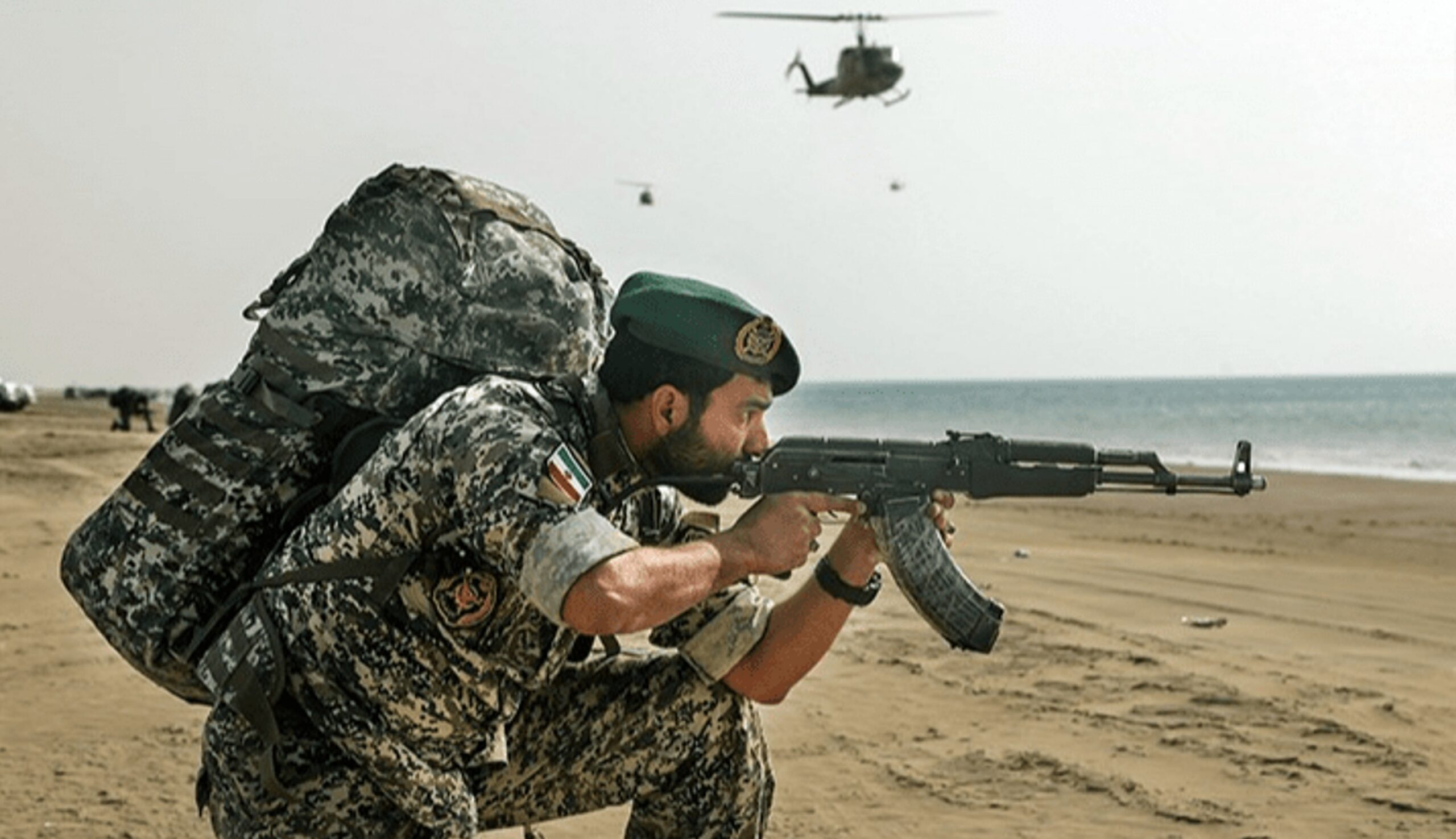
Iran has moved the bulk of its 420,000-strong army to the frontiers, with the heaviest concentration on the Makran coast along the Gulf of Oman. Special forces, rapid-response units, mechanized formations and artillery are now in place there. Tehran says it expects any American ground push to come through the southern ports.
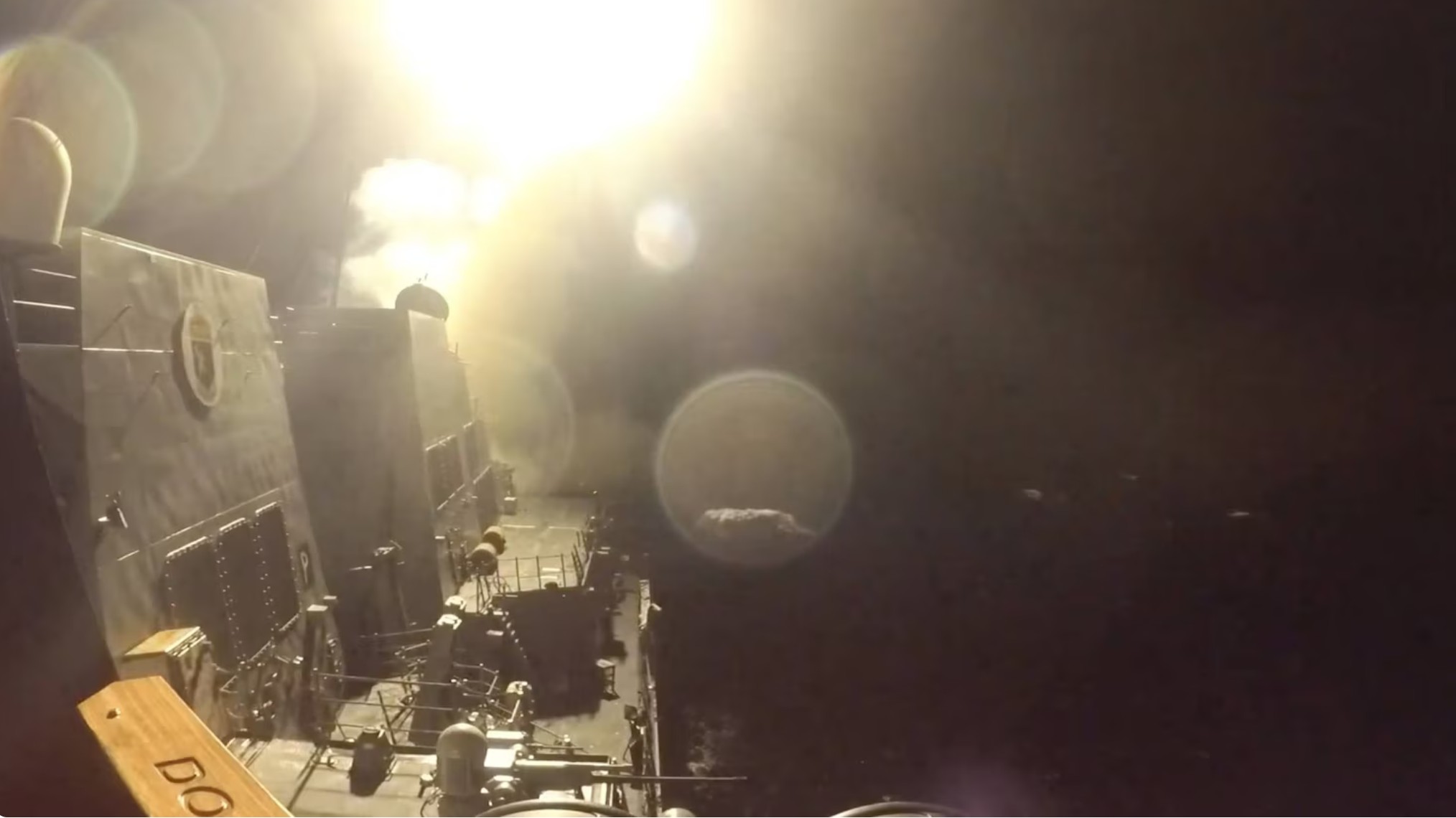
The shift follows Iran’s Code 100 alert, the highest readiness level across the army, IRGC and security forces. It comes after months of U.S. and Israeli strikes on nuclear sites, command nodes and leadership. The regime is no longer talking about projecting power. It is talking about holding the shoreline.
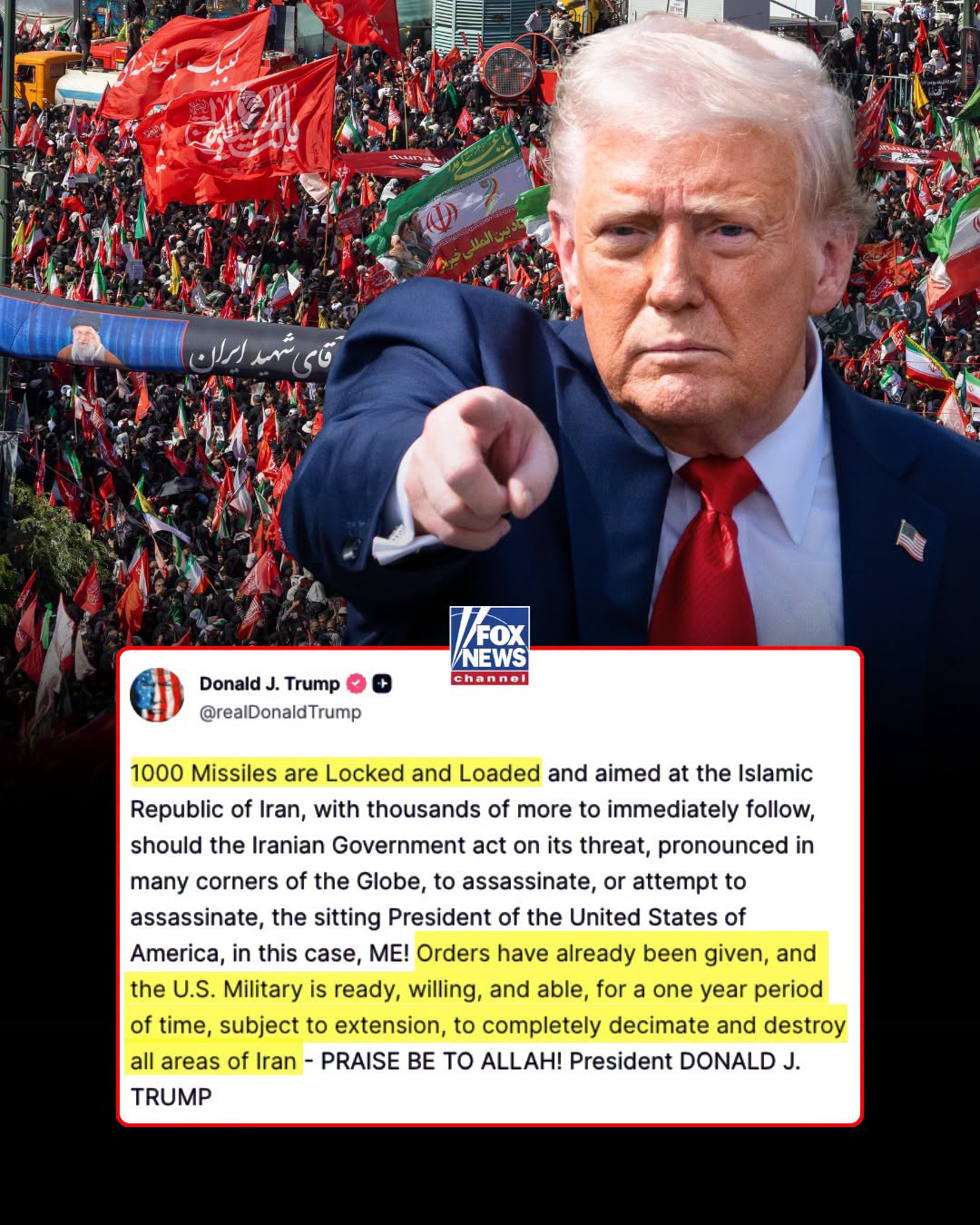
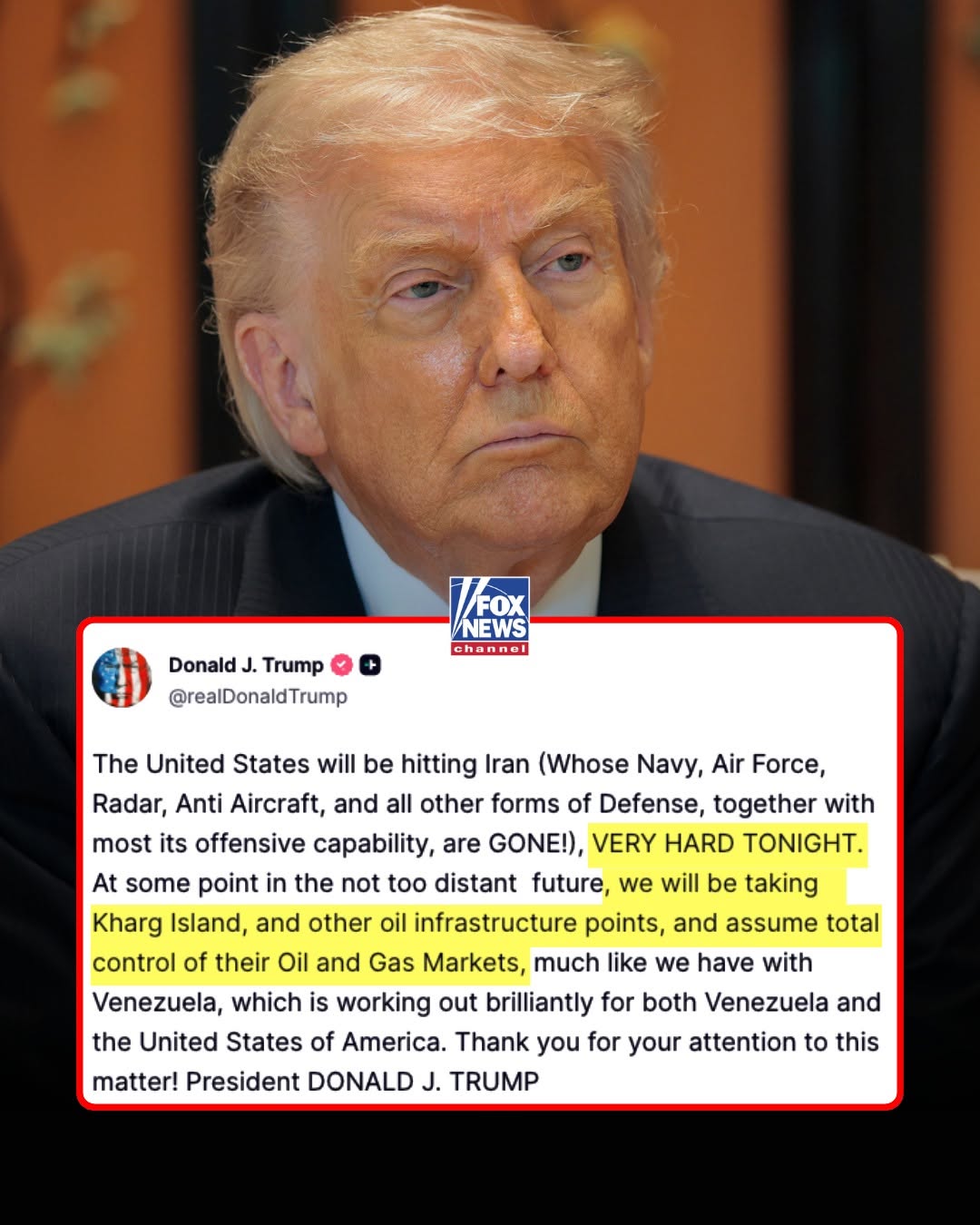
President Trump said Thursday he is nearing a major turning point in the war and has a big decision coming. Iran’s answer is to park brigades on the water’s edge and hope the threat of a messy landing buys time. That is the posture of a government that has already lost the air and sea contest and is now trying to make the last mile expensive.
The Strait of Hormuz and the approaches east of it remain the prize. Iran still claims operational control of those waters. The deployments show it no longer trusts that claim. When a regime sends the majority of its ground force to the borders and the coast, it is not preparing to dictate terms. It is preparing for the moment the other side decides the talking is over.